PRODUCT DESIGN
Watch discovery platform
for microbrand collectors
A watch discovery space for microbrand collectors.
(H)ORA for the buyers chasing watches that never make it to a store window.
THE PROBLEM
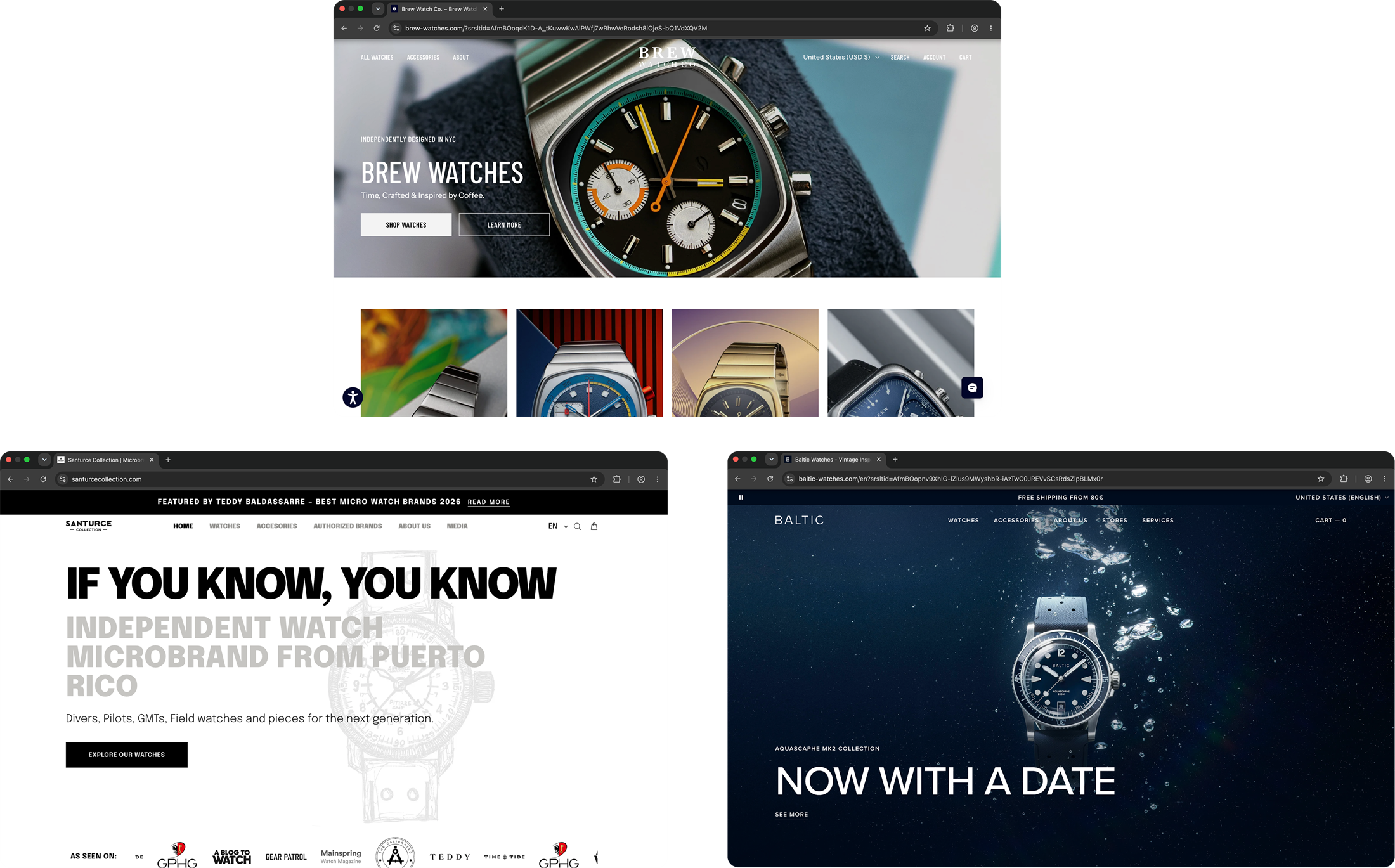
Would you spend a month's rent on a watch you haven't tried on?
Well, not a month's rent. Not on all of them, at least.
Microbrands are mostly direct to consumer, with no storefront and no heritage name doing the selling for them, so a new collector will never hear about most of the 300 out there. And if they do, validation is scattered across Reddit, YouTube, and a dozen other places they don't know to look yet.
AN OPPORTUNITY FOR TRUST
The knowledge was already out there, just never in one place.
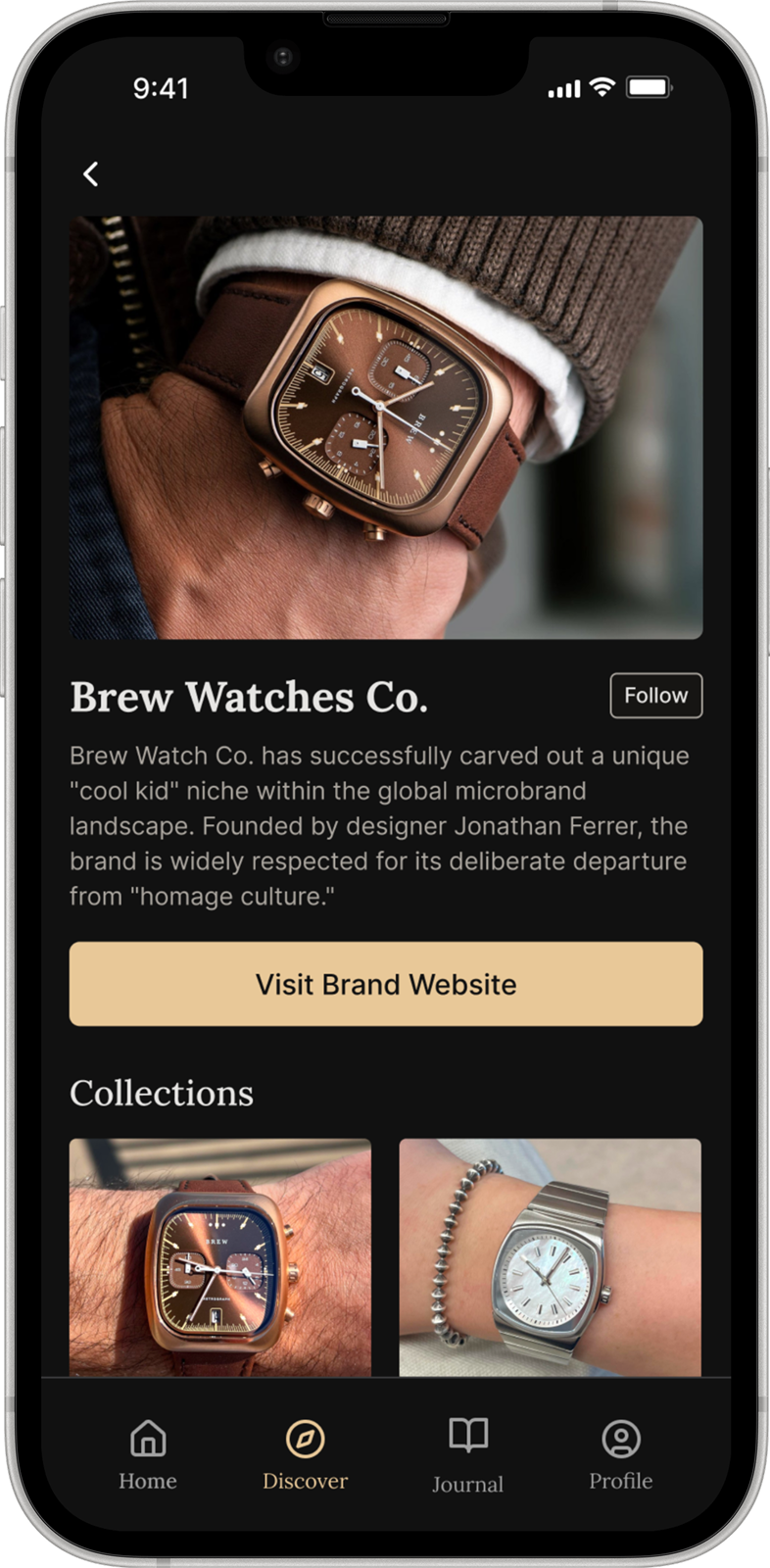
Mapping the buyer's journey showed the gap sitting in the middle, after someone finds a brand and before they trust it enough to buy. Another marketplace would not close that, but a place holding what other collectors already know would: how a watch wears over time, what the brand is actually about, whether it lives up to the photos.
THE SOLUTION
ORA
(H)ORA for any Spanish speakers out there
ORA is what a collector friend would tell you about before you ever reach a spec sheet.
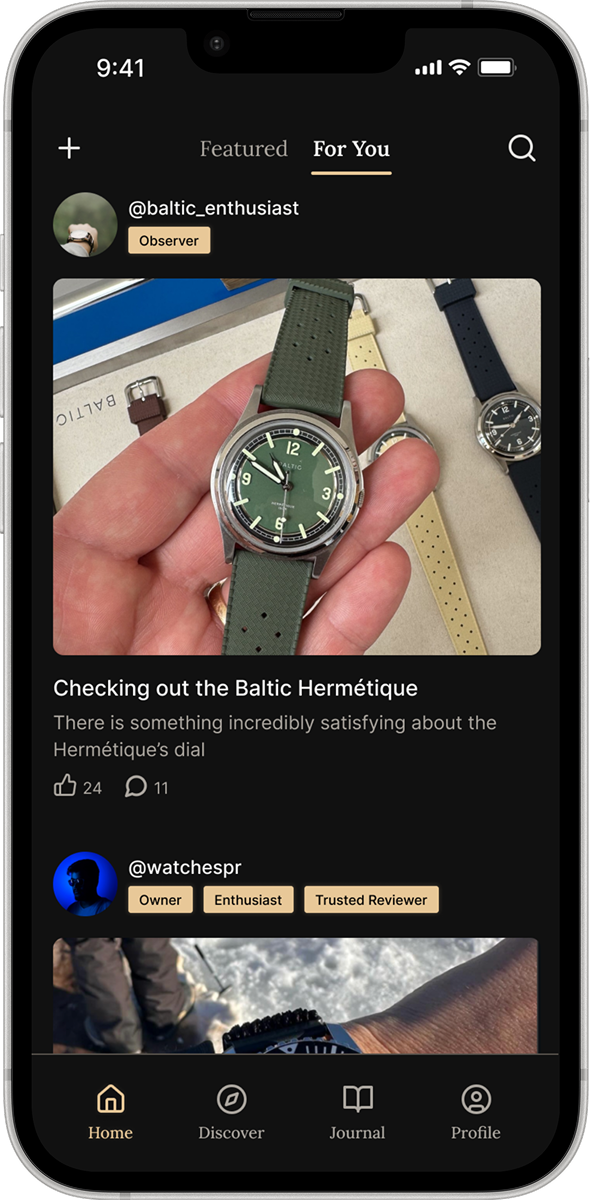
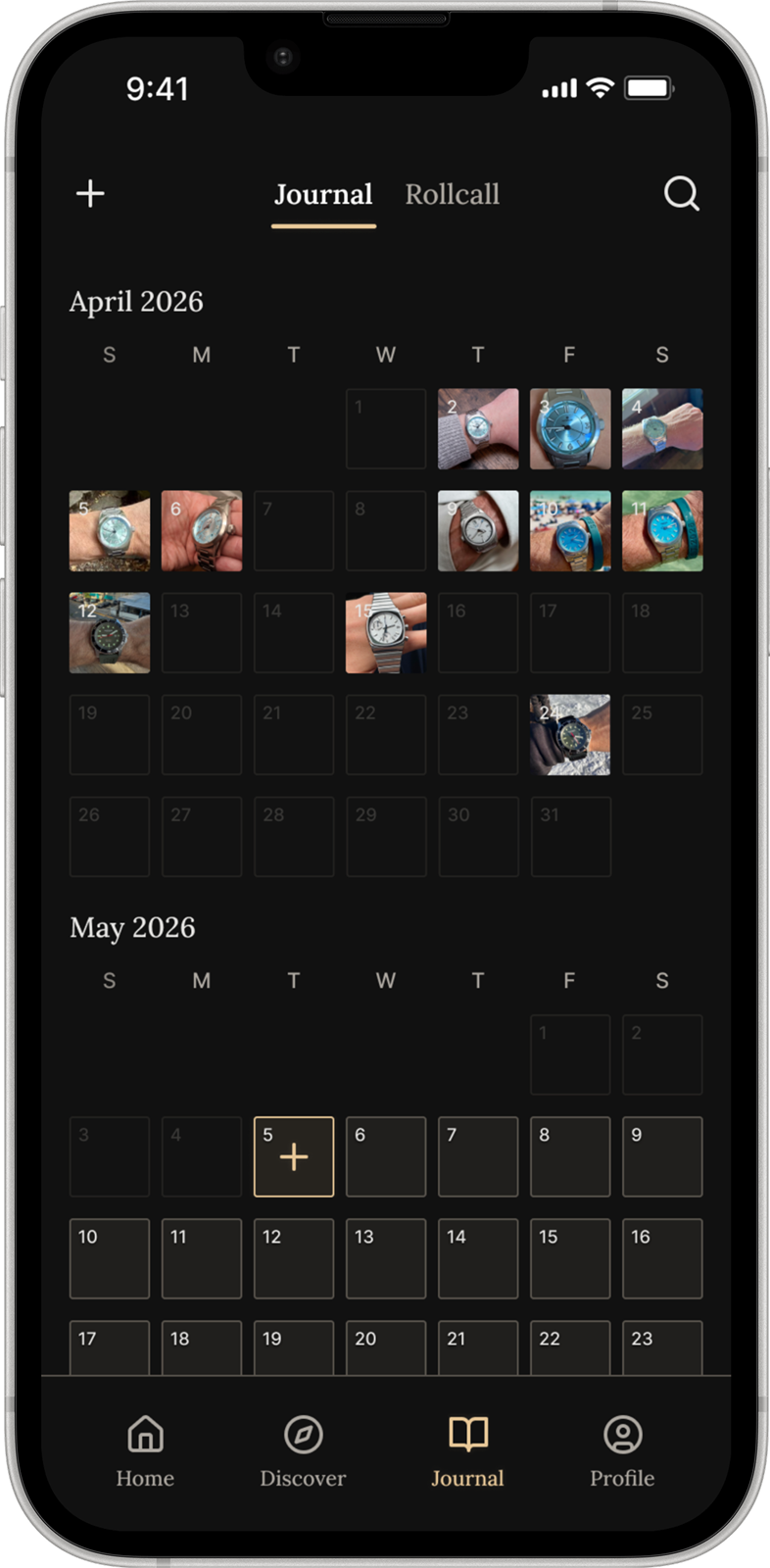
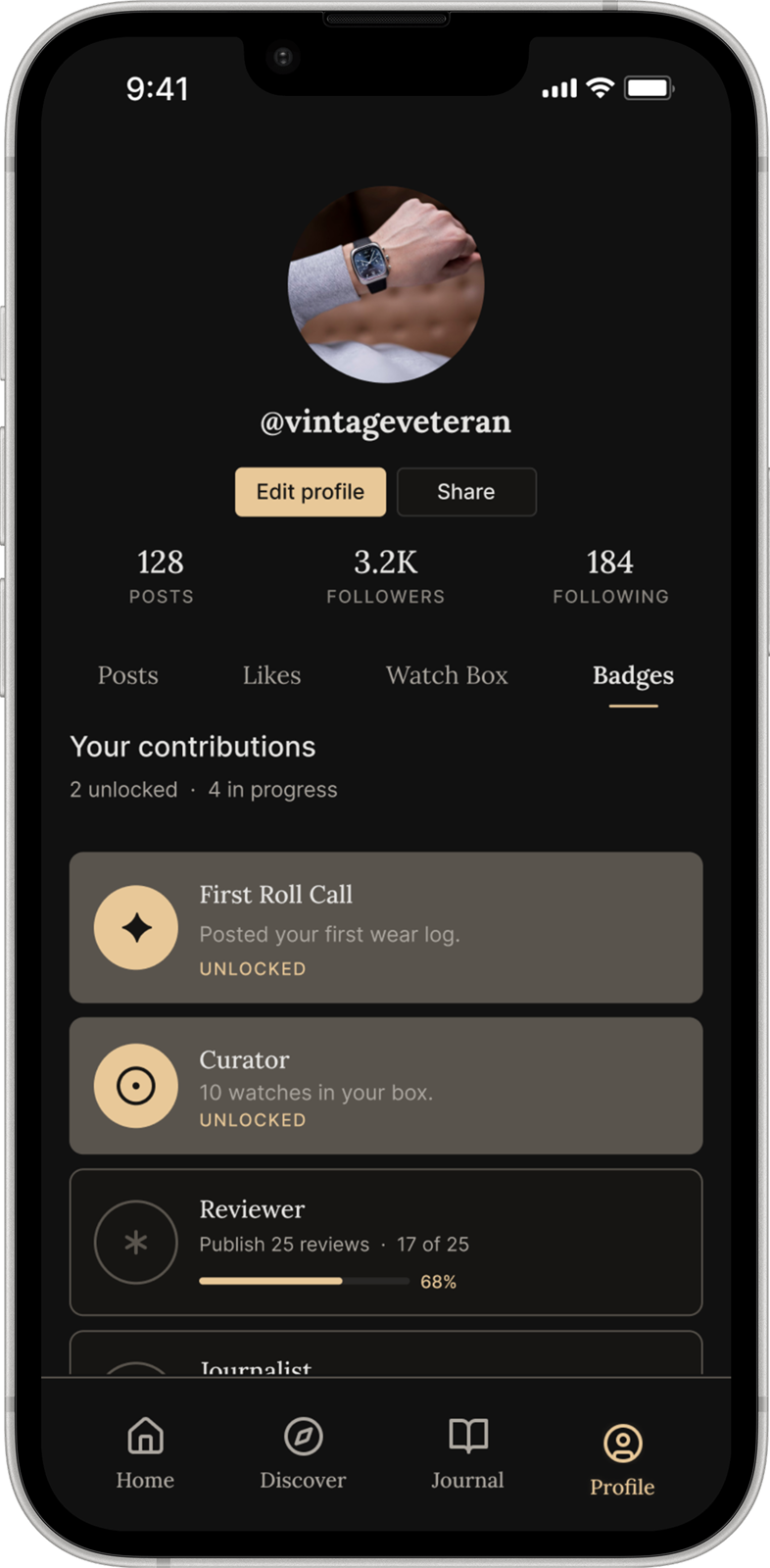
Real owner photos, stories from people who bought the watch, a journal that tracks how it wears over months, and discovery built around brands that never make it past their own website.
HOW I GOT IT DONE
One designer, on the clock.
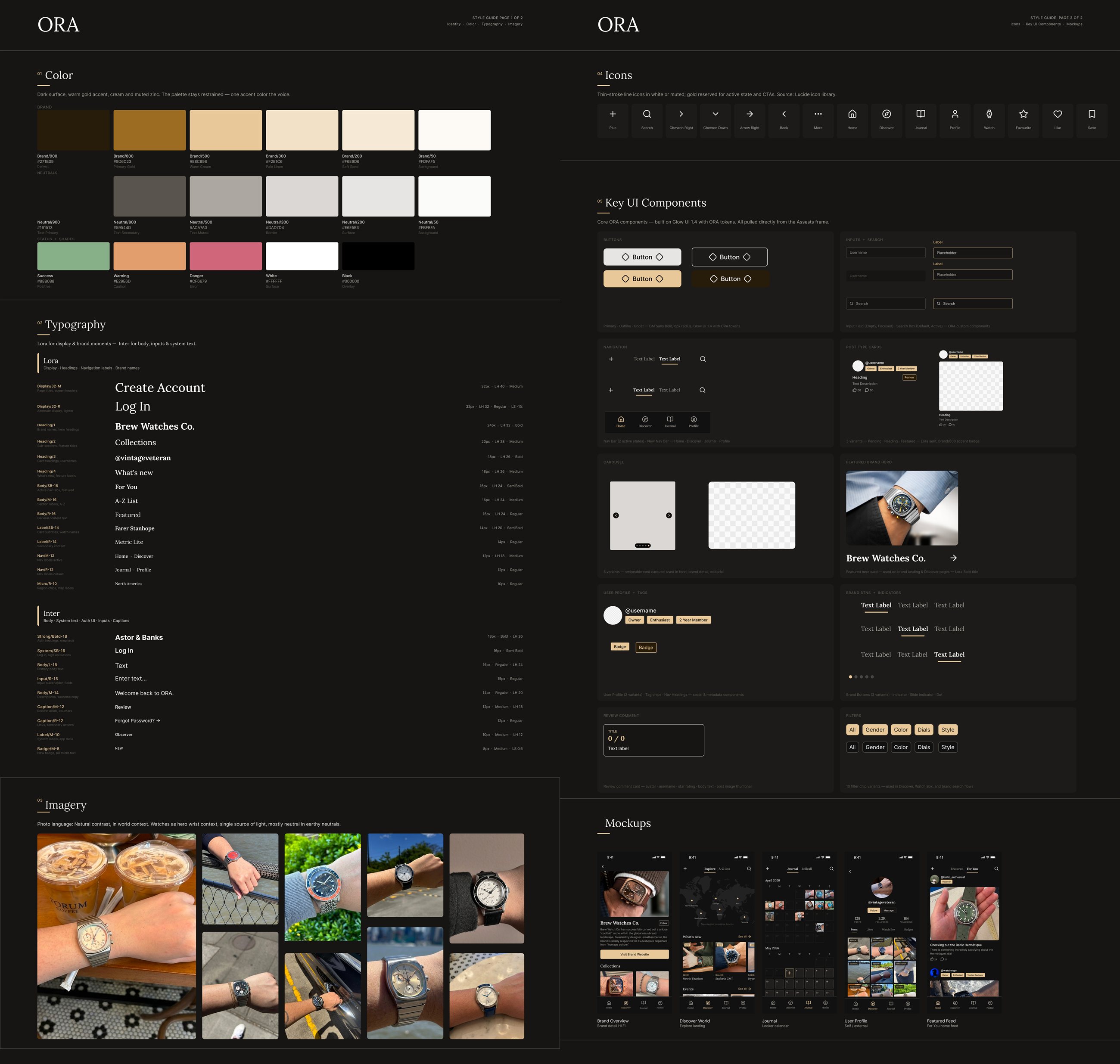
Working alone meant every stage was mine. I ran the surveys and interviews, mapped where buyers were getting stuck, and looked at where collectors were already finding their information. That turned into a rule for the product, and from there it was wireframes, flows, and screens through hi-fi.
DESIGN DECISIONS THAT DIDN'T WORK OUT ¯\(ツ)/¯
What collectors talked me out of.
At the wireframe stage I cut a world map homepage, a forums page, and a short-stories section. All three assumed people wanted to read about watches, and both the survey and the interviews kept saying the opposite. Photos and owner images were what moved buyers toward a decision, so anything that put text first had to go, no matter how much I wanted to build it.
The world map homepage
Notifications of microbrand news or discussion replies
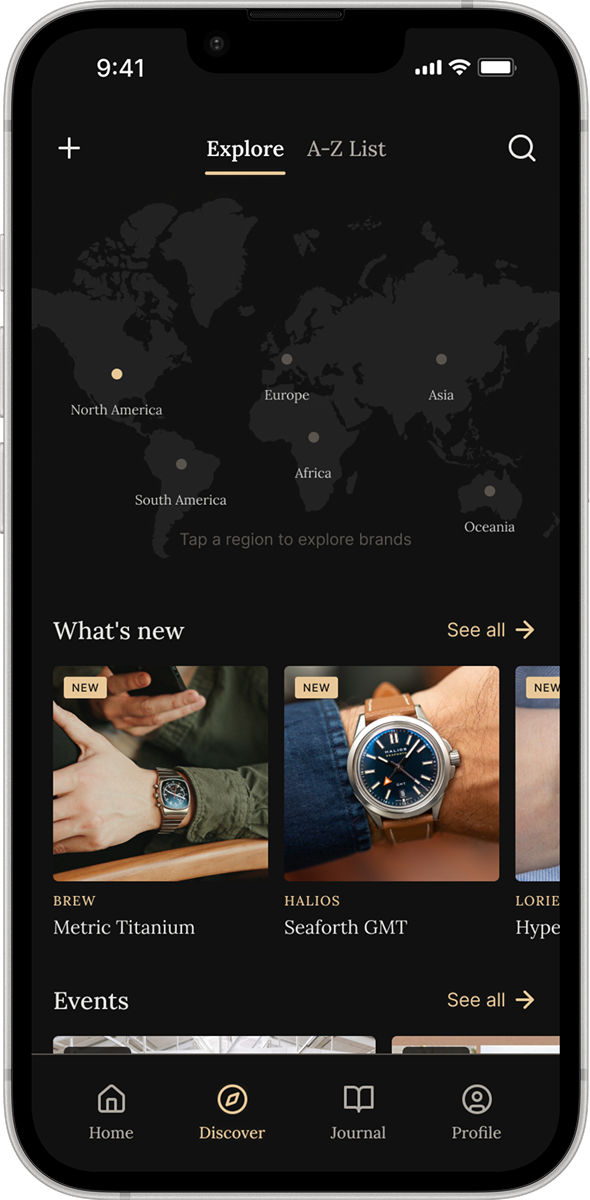
Interactive map of microbrands, their stories, and the people posting about them
Posts of wrist checks and “in the wild” images
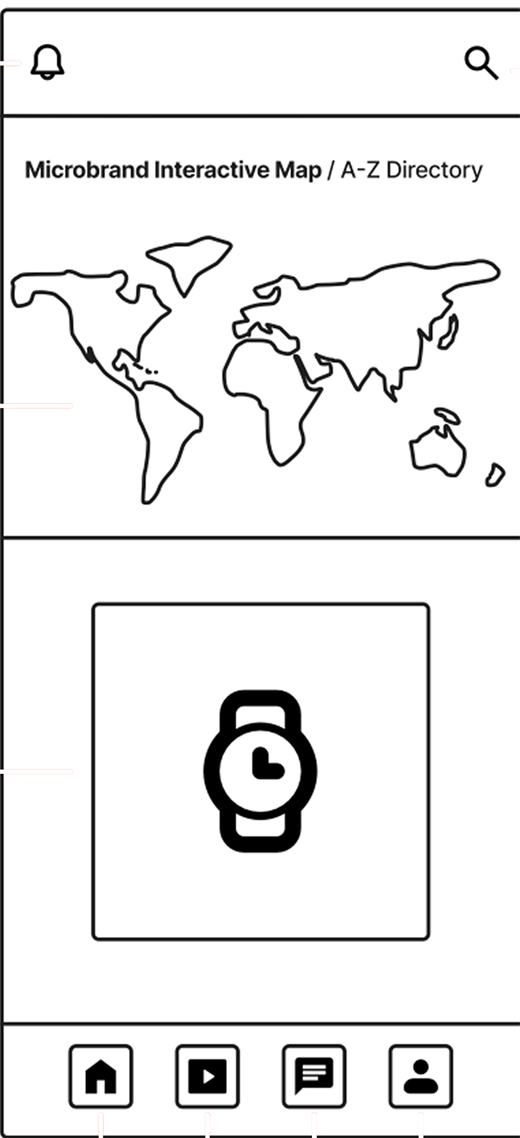
Search stories, forums, articles and posts
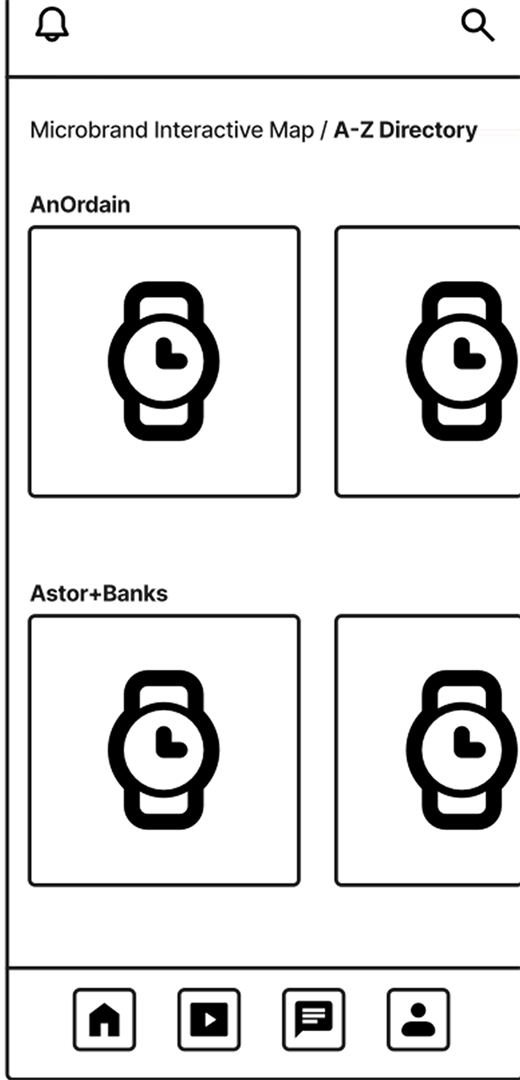
Directory list of microbrands
Images of owners with a link to their profiles, if privacy settings allow
Region information on the map
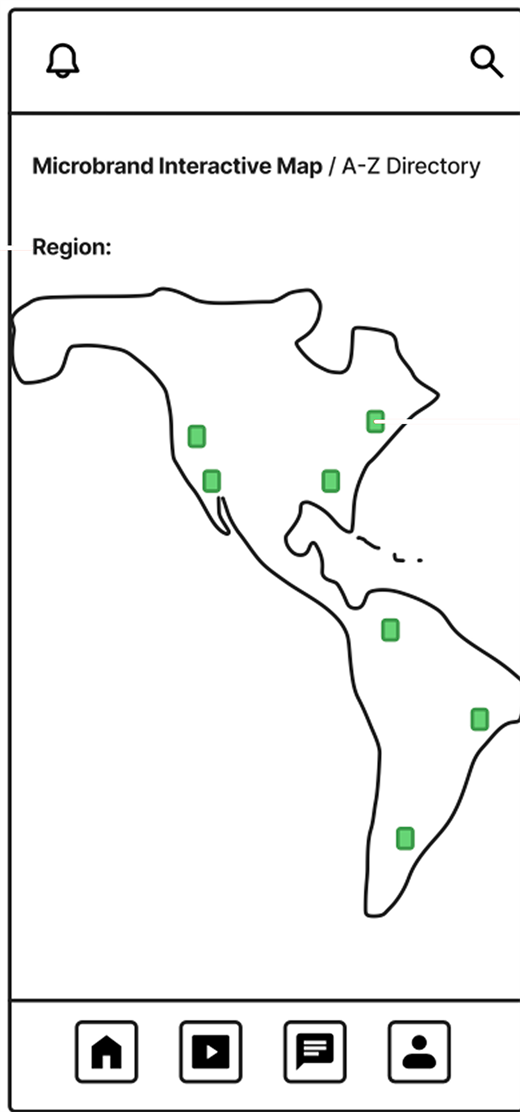
Posts about a microbrand appear in the area the brand is from, not the location of the poster
The forums page
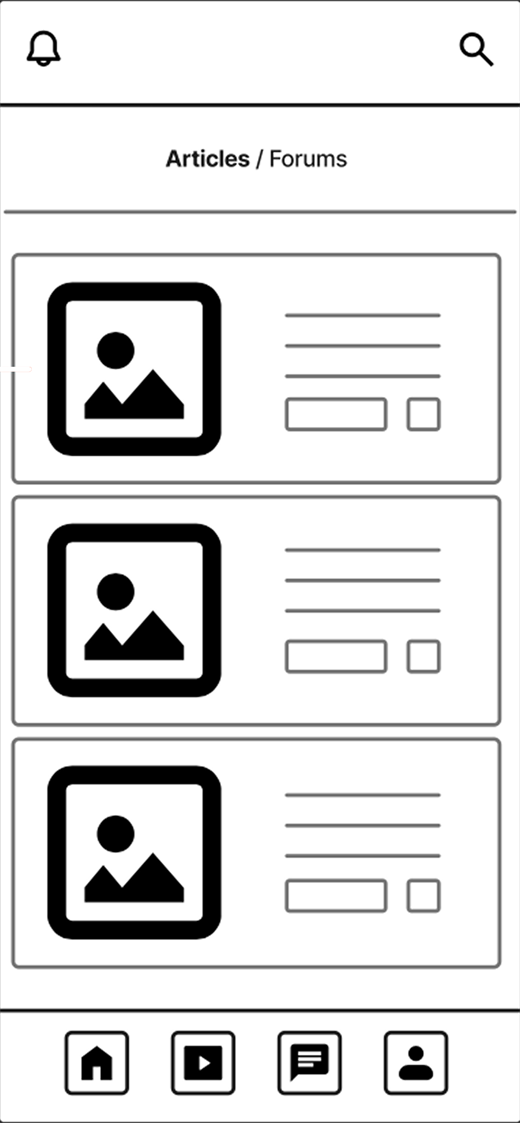
Articles: top 10 lists, best quality, pieces that can be read, shared and rated
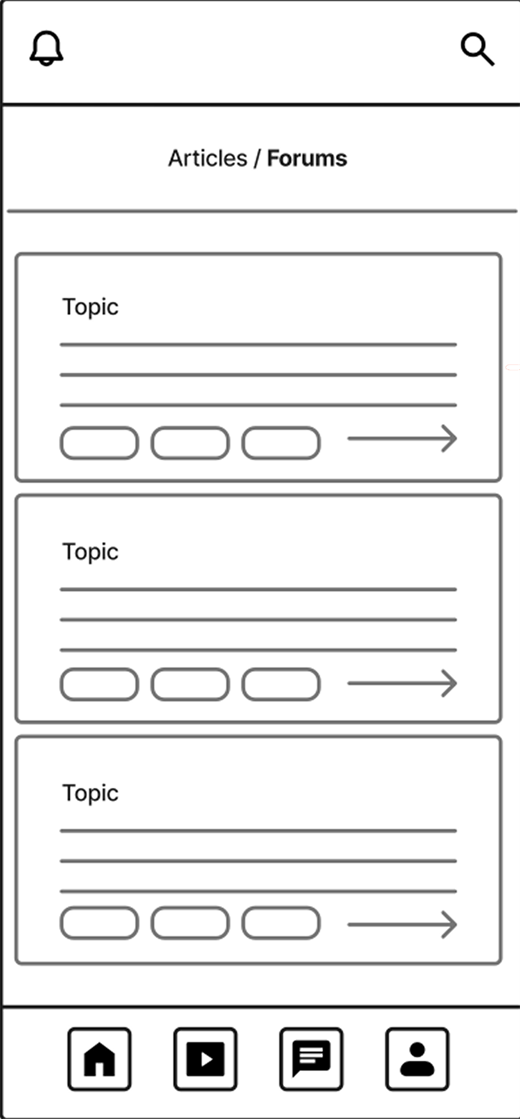
Forum discussions: labels indicate the experience and user badges of whoever made the initial post
The short-stories section
Owners of microbrands share their story, with labels for trusted reviewers and badges for articles written or episodic content
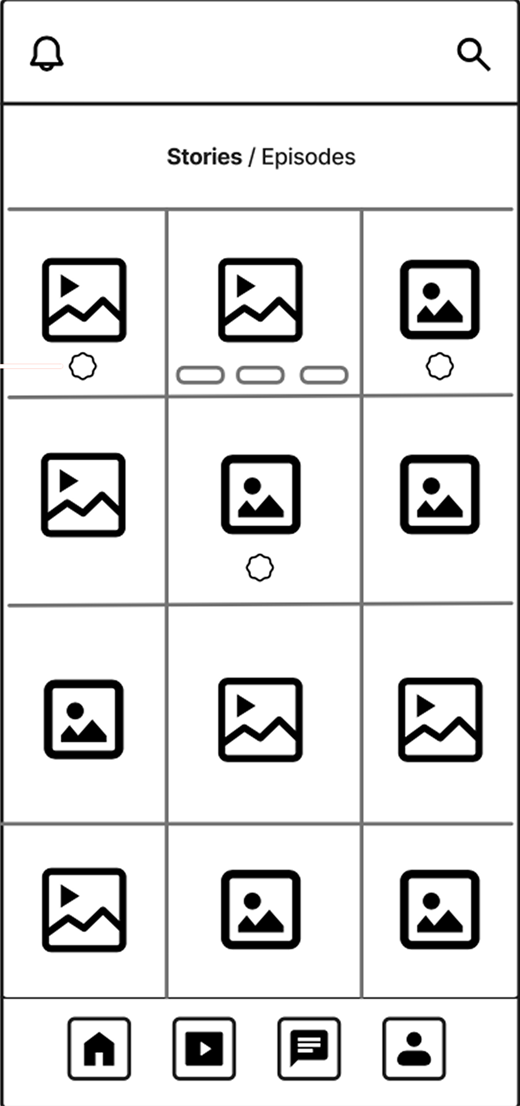
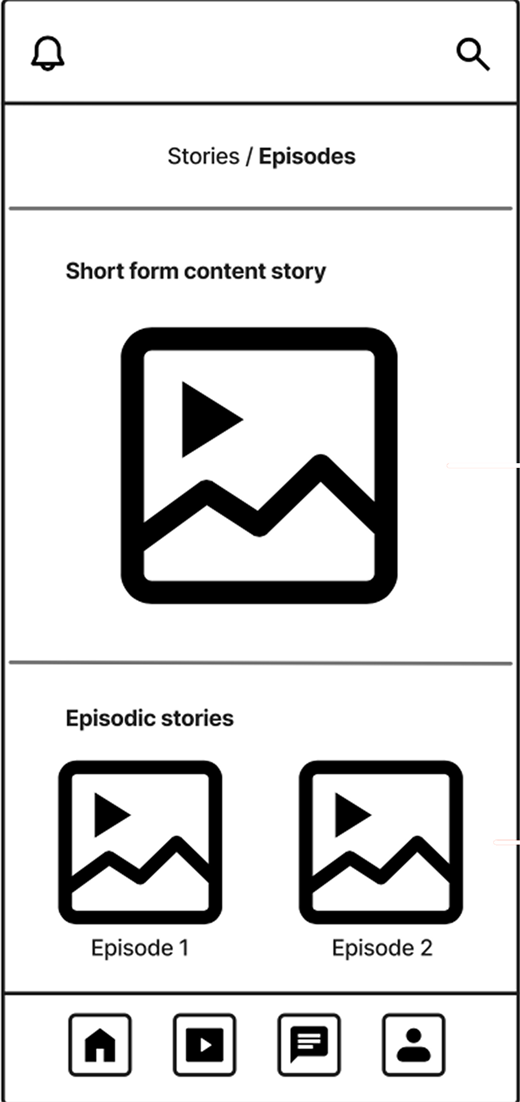
Short form video content from microbrands
Episodic content from verified creators
HOW IT HELD UP
Collectors got the discovery side immediately but got stuck on other features.
The identity read was exactly what I set out to build, and exactly the problem. The content was right. It did not yet feel like itself.
| Task | Success rate | Signal |
|---|---|---|
| A to Z brand discovery | 100% | Strong |
| Brand page & website link | 100% | Strong |
| World map discovery | 75% | Moderate |
| Featured feed navigation | 75% | Moderate |
| Journal / calendar | 50% | Friction |
| Reviews & wear data | — | Significant feedback |
| First impression / identity | — | High variance |
Scenario: explore ORA for the first time as someone hunting for unique timepieces.
WHAT I LEARNED FROM THIS EXPERIENCE
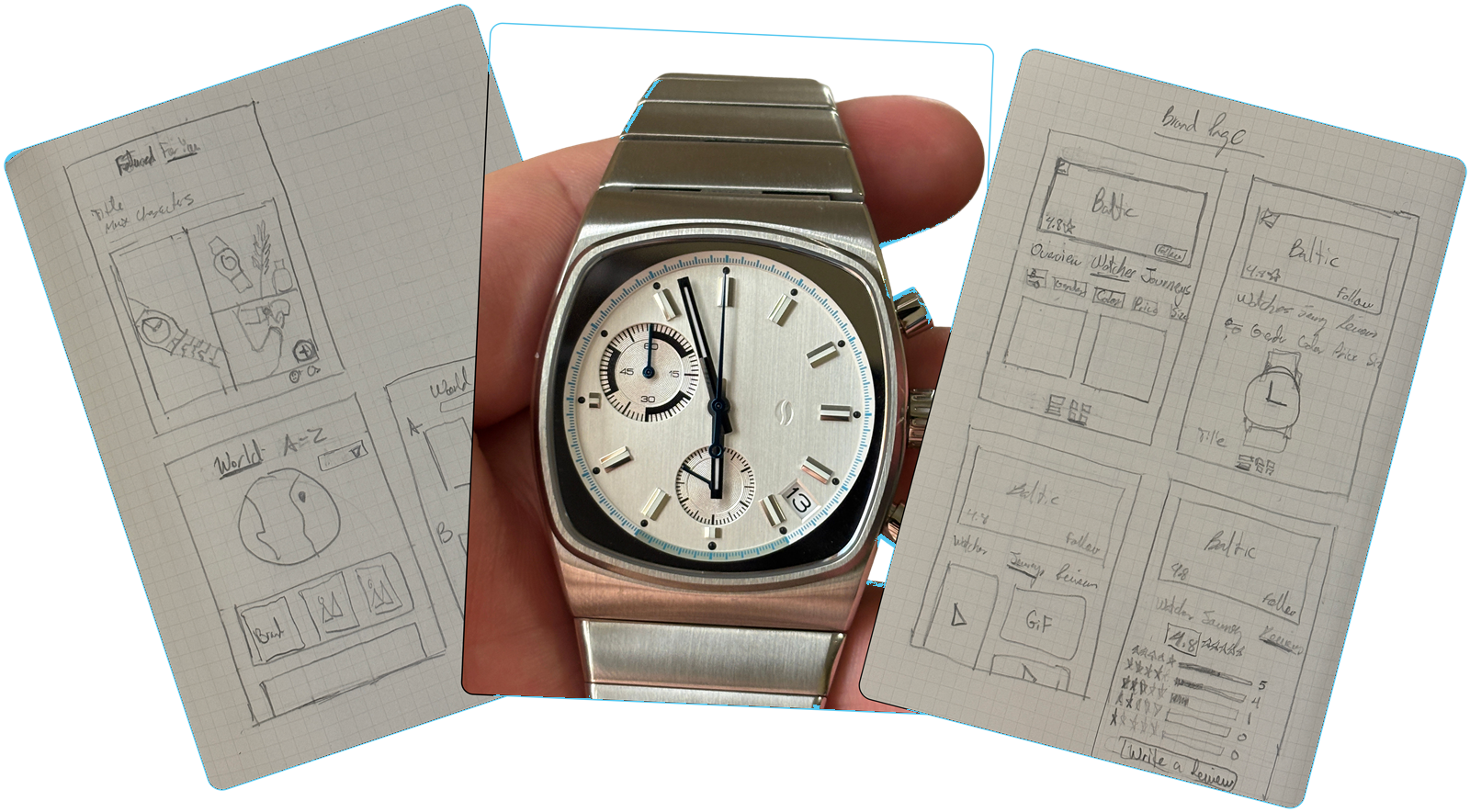
What I would do differently.
Looking back, what I had in mind was closer to Letterboxd than to a social feed. ORA leans on social media patterns for something fundamentally physical, when logging and reflection should come first and social second. Getting there means researching watchmakers and industry professionals more, not just the new collectors I designed for.
¡Gracias!
Thank you for stopping by!
If you want to explore any part of this further, let me know.
IN ORBIT